
Pest Control
South Carolina Termites: What Homeowners Should Know
A narrow strip of dried mud is running up the foundation of your home, and a pile of thin wings gathers near a window after a warm afternoon. Both of these

Jarrod Reed
VP Sales; Local Owner, Columbia
8 min read
On this page
A narrow strip of dried mud is running up the foundation of your home, and a pile of thin wings gathers near a window after a warm afternoon. Both of these are signs of South Carolina termites, especially subterranean termites that spend most of their time hidden in soil and wood.
Native subterranean termites occur across the state, while Formosan and drywood termites are more concentrated in certain areas. This guide explains the species you may encounter, the signs of termites to watch for, termite swarming season, prevention steps, and how professional termite control works.
Why South Carolina Termites Matter to Homeowners
Subterranean termites move through soil, protected tunnels, and structural wood, which makes them easy to miss during normal home maintenance. Termite damage can develop behind finished walls, beneath flooring, around sill plates, or inside crawl spaces before you see a clear problem from the living area.
The financial impact is significant. The U.S. Environmental Protection Agency (EPA) states that termites cause billions of dollars in structural damage each year in the United States, while property owners spend more than $2 billion annually treating them.
For homeowners in South Carolina, the practical concern is access. Moisture around the foundation, plumbing leaks, wood debris, damp crawl spaces, and wood-to-soil contact can give subterranean termites easier routes toward structural materials. Keeping those areas visible also makes a future termite inspection more useful.
South Carolina Termite Species You May Encounter
Several South Carolina termite species can infest wood, but subterranean termites account for most of the termite problems that lead to treatment. The Clemson University Home & Garden Information Center reports eight termite species in South Carolina, including four subterranean species and four drywood species.
| Termite Type | Where It Occurs | How It Lives | What Homeowners Should Know |
|---|---|---|---|
| Native subterranean termites | Throughout South Carolina | Colonies live mainly underground and forage into wood | The main statewide termite concern |
| Formosan subterranean termites | Strongest presence in coastal areas, with documented populations farther inland | Large termite colonies forage through soil and may use above-ground moisture sources | Colonies can become much larger than native subterranean colonies |
| Drywood termites | Mainly coastal South Carolina | Colonies live directly inside wood without regular soil contact | A regional concern rather than the dominant statewide problem |
Native Subterranean Termites
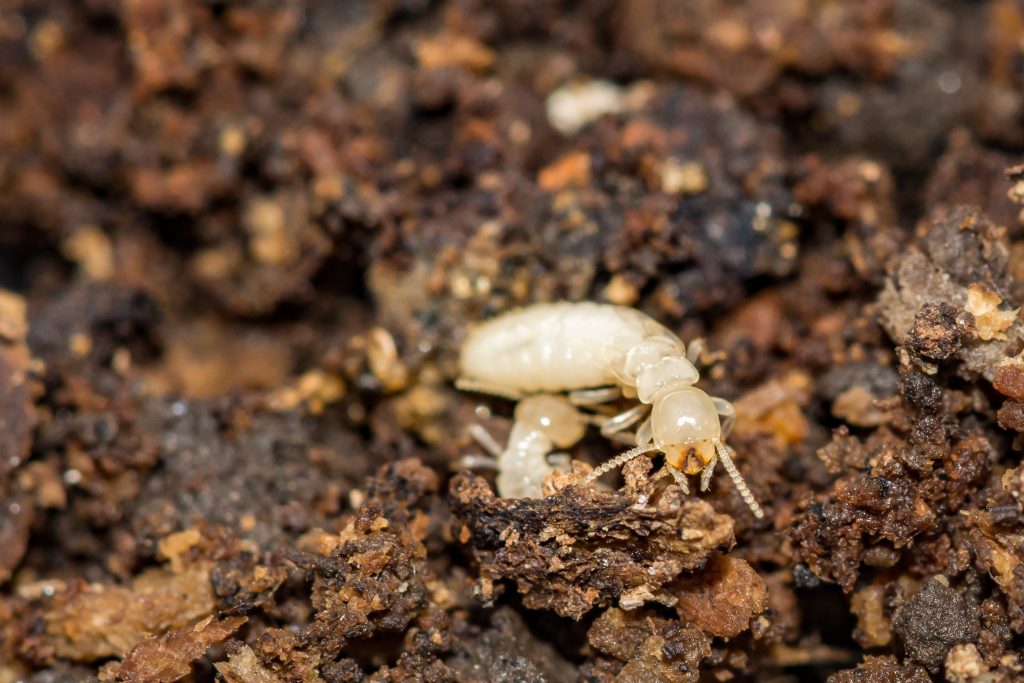
Native subterranean termites are the group most South Carolina homeowners are likely to encounter. Their termite colonies remain primarily underground while workers travel outward in search of cellulose materials such as structural wood.
A mature colony can contain several hundred thousand workers. The activity often stays concealed because termites travel through soil or termite mud tubes instead of crossing exposed surfaces. Around a two-story home, likely inspection areas include the foundation, sill plates, crawl-space supports, attached porches, and places where landscaping meets the structure.
Formosan Subterranean Termites
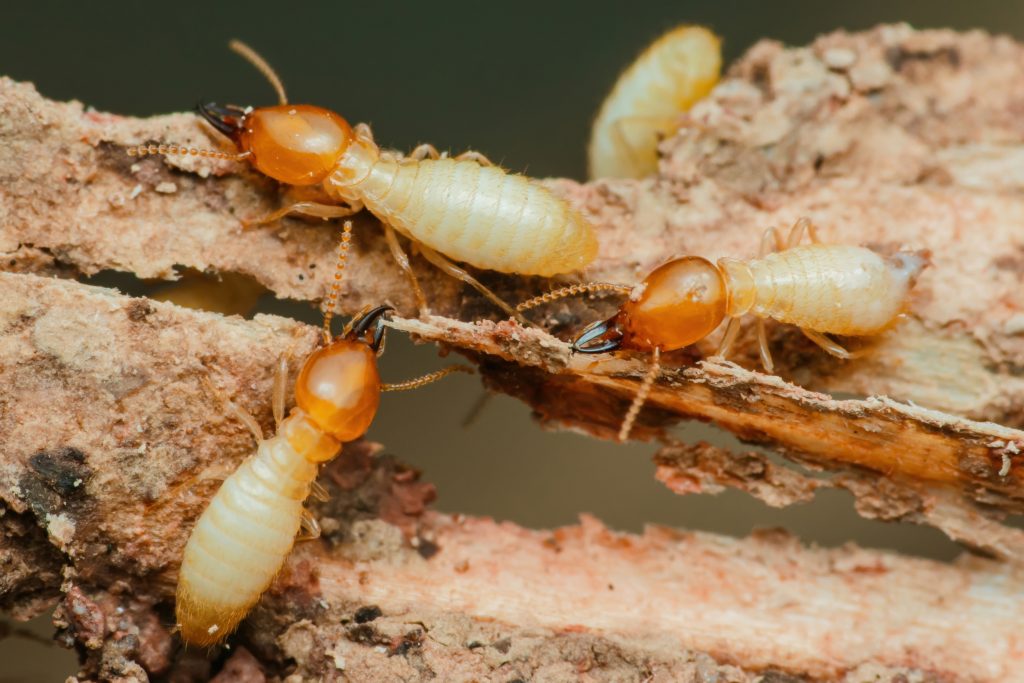
Formosan termites are an introduced subterranean species established in parts of South Carolina. Documented presence is strongest along the coast, along with established populations and isolated findings farther inland.
Mature Formosan subterranean termite colonies can contain millions of workers. That larger population gives the colony more termites to forage over the surrounding area, one reason Formosan termites deserve particular attention where they are established.
A county-level record does not mean Formosan termites occur uniformly throughout that county. Local conditions and individual property activity still matter, so species identification is more useful than assuming every termite problem near the coast involves Formosan termites.
Drywood Termites
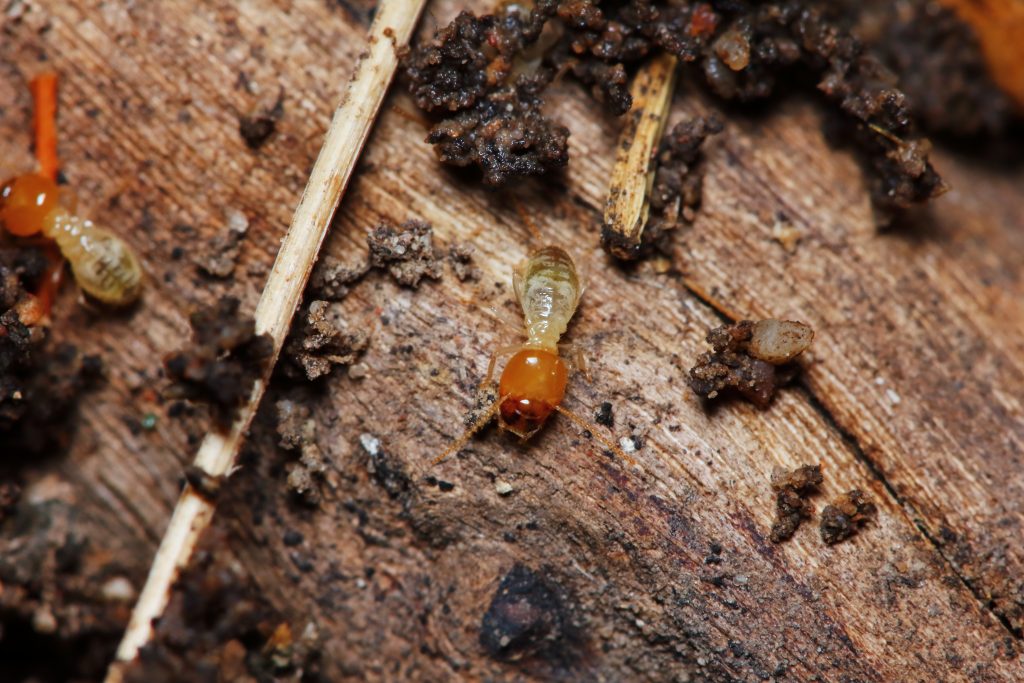
Drywood termites differ because they establish colonies inside the wood they infest. They do not rely on regular soil contact in the way subterranean termites do.
In South Carolina, drywood termites are primarily a coastal issue. They belong in a statewide homeowner guide, but native subterranean termites remain the more relevant concern for homes across most of the state.
When Is Termite Swarming Season in South Carolina?
A termite swarm is a reproductive event from an established colony. It does not mark the first day termites became active around your property. Termite swarming season simply makes colonies easier to notice because winged reproductive termites leave their protected environment.
The timing varies by termite type. Clemson’s termite identification and control guide describes the seasonal patterns homeowners are most likely to notice in South Carolina.
| Termite Group | Typical Swarm Period | Typical Time | What You May Notice |
|---|---|---|---|
| Native subterranean termites | Early spring | Often daytime or afternoon | Dark termite swarmers around yards, windows, or foundations |
| Formosan termites | Mid-May through July | Often evening | Large groups gathering around exterior lights and bright windows |
| Drywood termites | Varies by species | Varies | More localized swarming, mainly in coastal areas |
Spring Subterranean Termite Swarms
Native subterranean termites commonly produce swarmers in spring. You may notice them around a porch, foundation, window, or yard after conditions become favorable for a reproductive flight.
An outdoor swarm tells you a mature termite colony exists somewhere nearby. It does not establish that your house has an active infestation. The location becomes more significant when swarmers appear with other evidence such as termite mud tubes or damaged wood.
Later Formosan Termite Swarms
Formosan termites tend to swarm later, commonly from mid-May through July. Their evening flights can become especially noticeable around porch lights, illuminated windows, and other bright areas.
Indoor swarms deserve a different response from a few insects outdoors. A concentrated group emerging inside a bathroom, utility area, wall, or window opening is a good reason to arrange a termite inspection and preserve a few specimens for identification.
Signs of South Carolina Termites Around Your Home
Most homeowners find evidence before they find a termite colony. Check exposed foundations, crawl-space piers, slab edges, sill plates, plumbing areas, windows, and locations where wooden materials sit close to the ground.
Some signs of termites point more strongly toward an active problem than others. A few termite swarmers outside may come from somewhere in the surrounding property, while indoor swarmers, fresh termite mud tubes, or damaged structural wood deserve closer attention.
| Sign | What You May See | Where to Check | What It May Indicate |
|---|---|---|---|
| Termite mud tubes | Brown, soil-like tunnels | Foundation walls, crawl-space piers, slab edges | Subterranean termites have created a protected travel route |
| Discarded termite wings | Small piles of thin, translucent wings | Windowsills, doors, floors near lights | A swarm occurred nearby |
| Indoor termite swarmers | Groups of winged insects | Windows, bathrooms, utility areas | A mature colony may be in or close to the structure |
| Termite damage | Internal galleries, soft areas, or thin surfaces over weakened wood | Framing, trim, sill plates, crawl spaces | Wood-destroying activity needs further inspection |
| Persistent moisture | Damp framing, plumbing leaks, wet crawl-space areas | Beneath kitchens, bathrooms, and foundation areas | Conditions may favor subterranean termite activity |
Mud Tubes and Damaged Wood
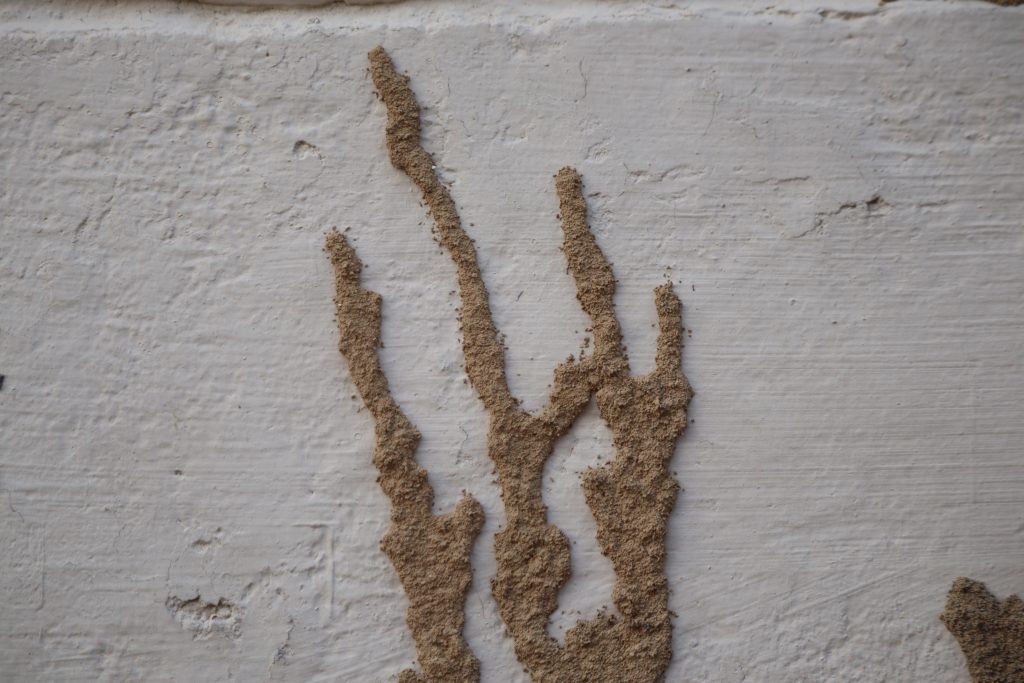
Termite mud tubes often look like narrow streaks of dried soil attached to brick, block, concrete, or wood. Subterranean termites use these protected passages while traveling between the soil and a food source.
Removing a tube does not eliminate the underlying termite infestation. The colony may remain underground, and termites can create another route. If you find suspicious wood nearby, avoid assuming that softness or discoloration automatically means termites. Moisture damage and decay can produce similar symptoms.
Termite Swarmers vs. Flying Ants
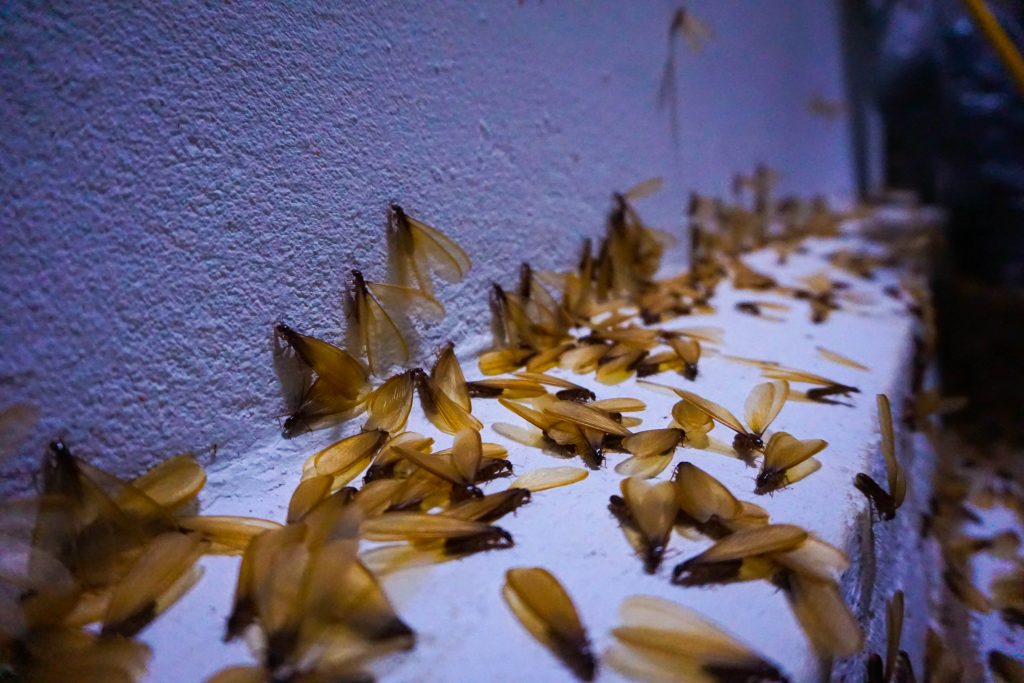
Flying ants and termites can be difficult to distinguish when insects are gathering around a window. The clearest differences are usually the wings, waist, and antennae.
Termite swarmers have four wings of roughly equal length and a broad body through the middle. Flying ants have longer front wings, shorter rear wings, a pinched waist, and elbowed antennae. If you find discarded termite wings indoors, saving a specimen or taking a close photograph can make identification easier.
How to Prevent and Control South Carolina Termites
Termite prevention begins with making the route between soil and your home less convenient. You cannot remove termites from the environment, but you can correct conditions that help them reach structural wood unnoticed.
Professional termite treatment comes later in the decision process. First, look at moisture, access, and the construction of the home. Those details help determine whether termite bait stations, a liquid termite treatment, or another property-specific approach makes sense.
1. Control Moisture Around the Home
Check plumbing connections, crawl spaces, gutters, downspouts, and areas where water collects near the foundation. A slow leak can keep nearby wood damp long before you notice a stain or drip inside the house.
Good drainage also improves visibility. When the soil beside the foundation stays excessively wet or dense vegetation covers the wall, signs of termite activity can be harder to spot.
2. Reduce Wood-to-Soil Contact
Inspect deck supports, porch components, siding, landscape timbers, firewood, lumber, and construction scraps. Wood touching soil can create a less visible route for subterranean termites.
You do not need to strip the landscaping away from your home. Keep enough of the foundation visible that new termite mud tubes, damp areas, or other changes stand out during routine maintenance.
3. Start With a Termite Inspection
A professional termite inspection should identify where activity is occurring, what evidence is present, and how termites may be reaching the structure. Foundation design, crawl-space access, slabs, concrete patios, moisture conditions, and landscaping can all affect the recommendation.
This step also helps separate termite damage from wood decay or other problems that can look similar. A licensed pest management professional can use the evidence around the property to decide whether termite treatment is necessary and which approach fits the structure.
4. Termite Bait Stations
A termite baiting system places stations in the soil where foraging subterranean termites can encounter the bait. Termites feed on the material and carry it through the colony as they continue their normal activity.
Termite bait stations also create monitoring points around the house. This gives professional termite control a longer-term component instead of focusing only on the mud tube or damaged board that first caught your attention.
5. Liquid Termite Treatment
A liquid termite treatment targets soil beside or beneath portions of the foundation. Termites moving between the ground and structure encounter the treated zone.
Construction affects how the work is performed. Patios, slabs, pavers, foundation walls, and crawl-space access can change treatment requirements, so a termite control plan should be based on the actual property rather than a standard recipe.
Protecting Your South Carolina Home From Termites
Knowing the signs of South Carolina termites helps you recognize when something around your home deserves a closer look. Mud tubes, indoor swarmers, discarded wings, moisture problems, and damaged wood can all point to activity that should be checked.
You can lower risk by fixing leaks, improving drainage, reducing wood-to-soil contact, and keeping foundation areas visible. Those steps help with termite prevention, but they cannot confirm whether a colony is already active or determine which termite treatment fits your property.
If you find signs around your home, contact ClearDefense Pest Control and schedule termite control. A professional inspection can identify the activity, check how termites may be reaching the structure, and recommend a control plan based on your home instead of one visible clue.
Ready when you are.
Mon–Fri 7:00 AM – 9:00 PM · Sat 10:00 AM – 3:00 PM · Sun Closed. Call or get my free quote.